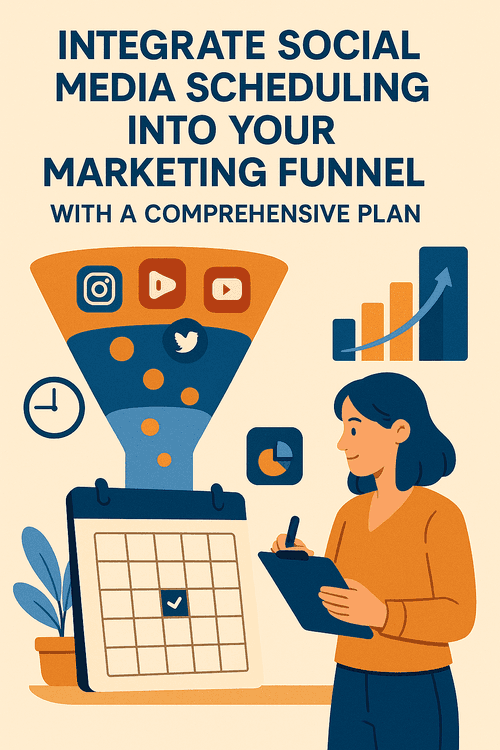
Let’s be honest. If your social media strategy lives on its own island, you’re missing out on serious growth potential. To really move the needle, social media should work in sync with your marketing funnel — helping you attract, engage, convert, and retain.
Here’s how to map out your content to support every stage of the funnel.
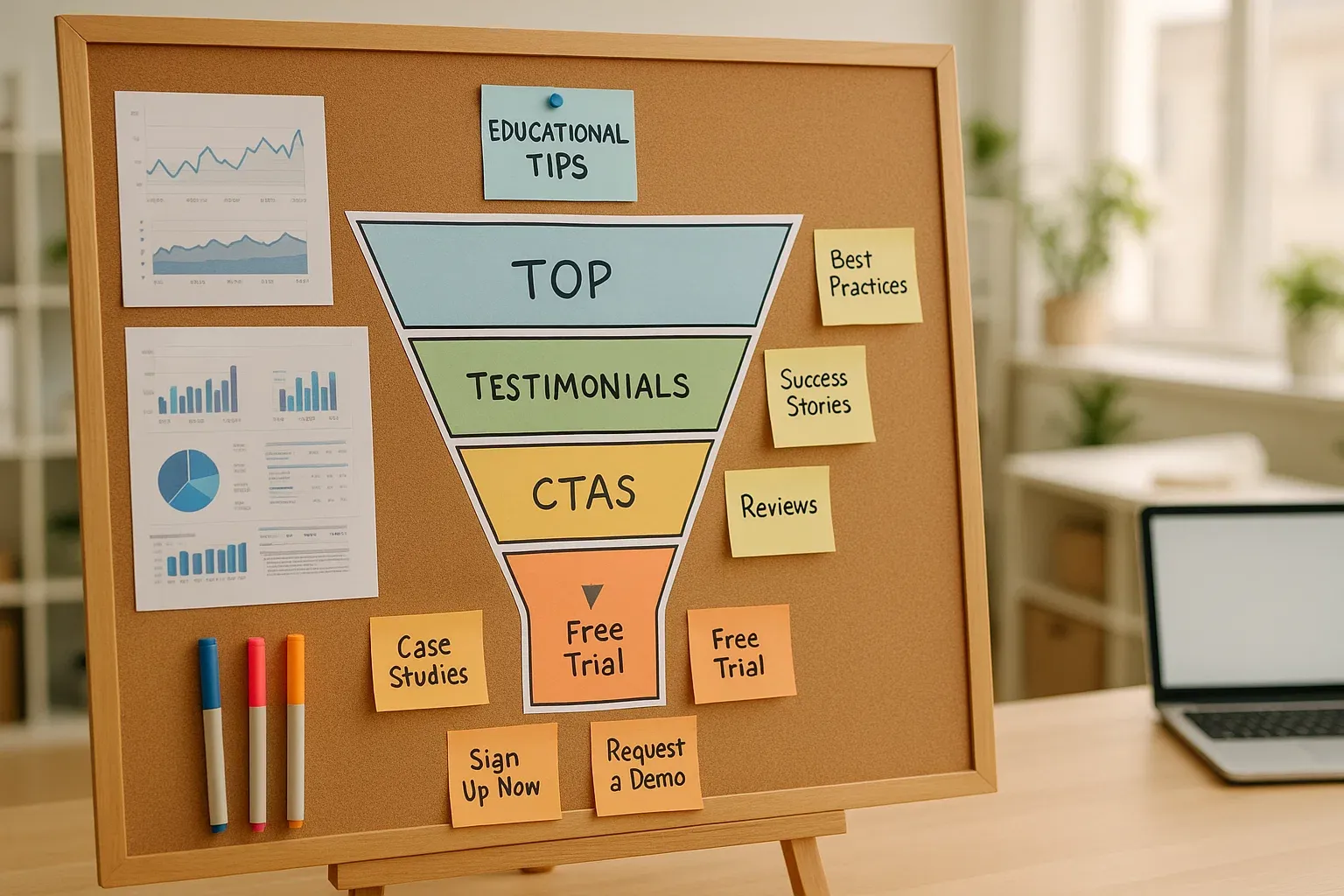
This stage is all about visibility. You’re not selling — you’re getting noticed. Plan for:
Educational content (tips, how-tos, thought leadership)
Reels, TikToks, carousels that are highly visual
Interactive posts (polls, Q&As)
👉 Pro tip: Build a visibility calendar to schedule posts that grow reach and attract new audiences.
Your audience knows you — now you have to earn their attention. Use:
Case studies and testimonials
Behind-the-scenes content
FAQ-style posts and problem-solving tips
💡 Try segmented content planning tools to tailor posts for different audience types and funnel stages.
Now it’s about results. At this stage, your posts should clearly show value and prompt action:
Strong CTAs (calls to action)
Offers and incentives
Customer reviews, performance stats, competitive comparisons
📊 Use a planner with built-in analytics to track what actually leads to conversions.
Don’t go silent after someone converts. Your funnel shouldn’t end at the purchase — it should lead to loyalty. Schedule:
Community content
Support-focused posts
Engagement loops like shoutouts, reposts, or surveys
🎯 Bonus: Link your content calendar to your CRM or email automation tool for a seamless experience.
✔ Use a funnel-based matrix to map content types to each funnel stage
✔ Schedule posts with clear goals (not just fill-in-the-gaps)
✔ Tap into AI-powered scheduling tools to generate content ideas, ideal timings, and formats
✔ Analyze performance and optimize as you go
The difference between random posting and strategic planning? Results.
When your social content aligns with your funnel, it turns into a machine that works even when you’re offline.