Hashtags aren’t just trendy—they’re digital navigation tools. Used strategically, they can become bridges between your brand and an active community that engages, follows, and promotes you. 📲💬
But to work, they need structure, not random trending terms.
Hashtags can:
Increase discoverability
Categorize content
Spark discussion and unity
Track performance and interactions
👥 Example: A branded hashtag can turn a customer into a UGC contributor.
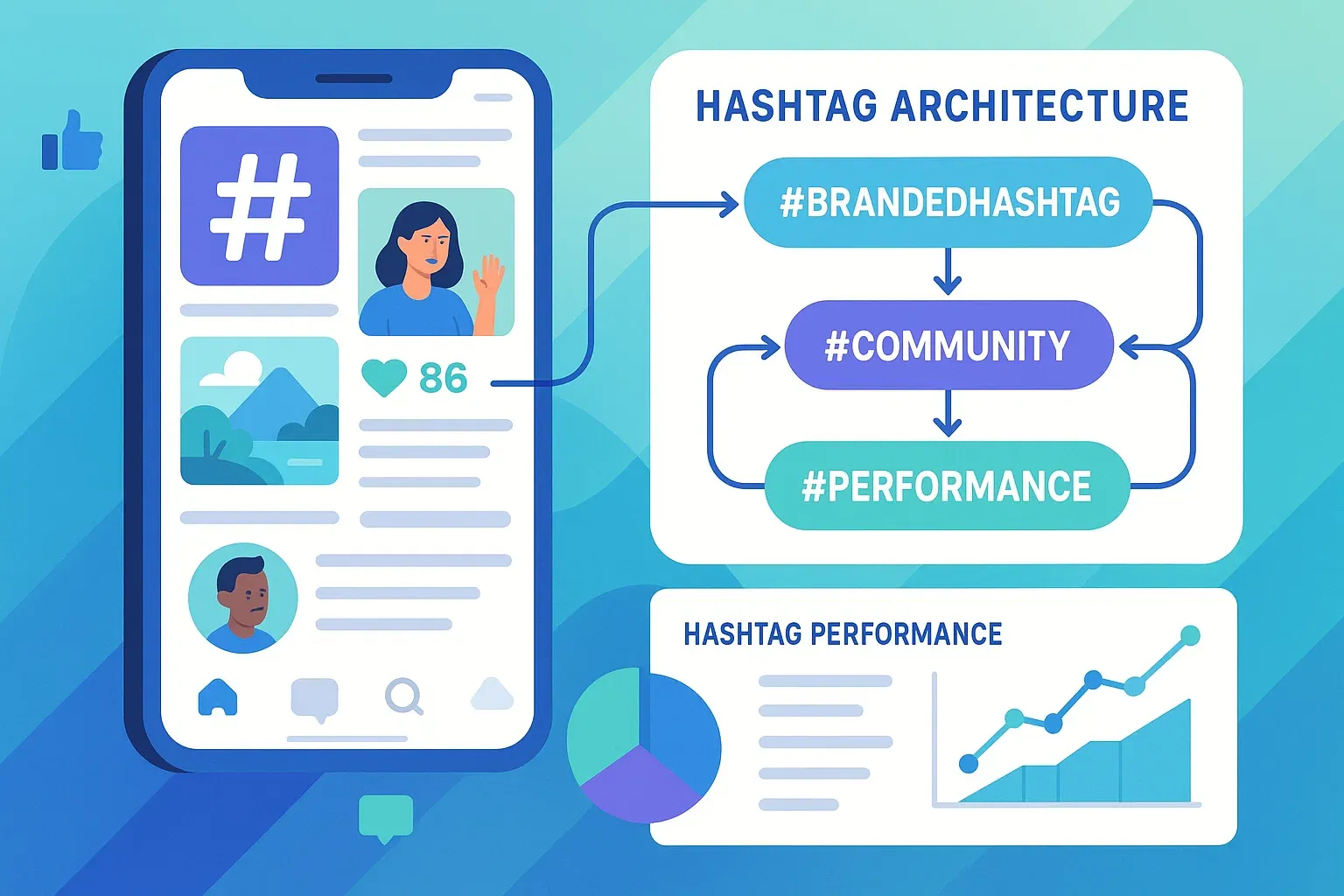
🔹 Branded – your own tag (e.g., #YourBrandName) that unifies community content
🔹 Community – hashtags used by your target audience (e.g., #slowfashion, #foodstartup)
🔹 Performance – trending, seasonal, or niche-specific tags (#MarketingTips, #AItools)
💡 Use AI content tools and tone-tuning software to craft the right context for each.
Not all hashtags stay effective. Analyze which ones drive the most engagement, shares, and conversions. Use tools like Sprout Social to track relevance.
📊 Also monitor hashtags your ambassadors and competitors use—they’re a goldmine for inspiration.
Think of hashtags like SEO—strategic structure wins:
A list of evergreen tags
Dynamic sets for themes, seasons, campaigns
Custom community challenges (#ShareYourStory)
📌 Save them in your scheduling tool for easy reuse.
Hashtags are powerful UGC drivers. Launch contests or challenges, or simply encourage followers to share experiences under your branded hashtag. 🔁
This builds both reach and loyalty.
Strategic hashtag use is about more than visibility—it’s about creating digital spaces where your brand and community connect. Use them intentionally, track performance, and build loyalty through shared language. 🌍